
How to Choose a Transporteur for Cross-Border Freight
A practical guide to How to Choose a Transporteur for Cross-Border Freight, with decision tables, operator checklists, free Remo&Co tools and source-backed notes where compliance matters.
The practical answer
How to Choose a Transporteur for Cross-Border Freight answers a practical freight question, not a theoretical one. The aim is to help a shipper, buyer or operations team make a better decision before the truck is booked.
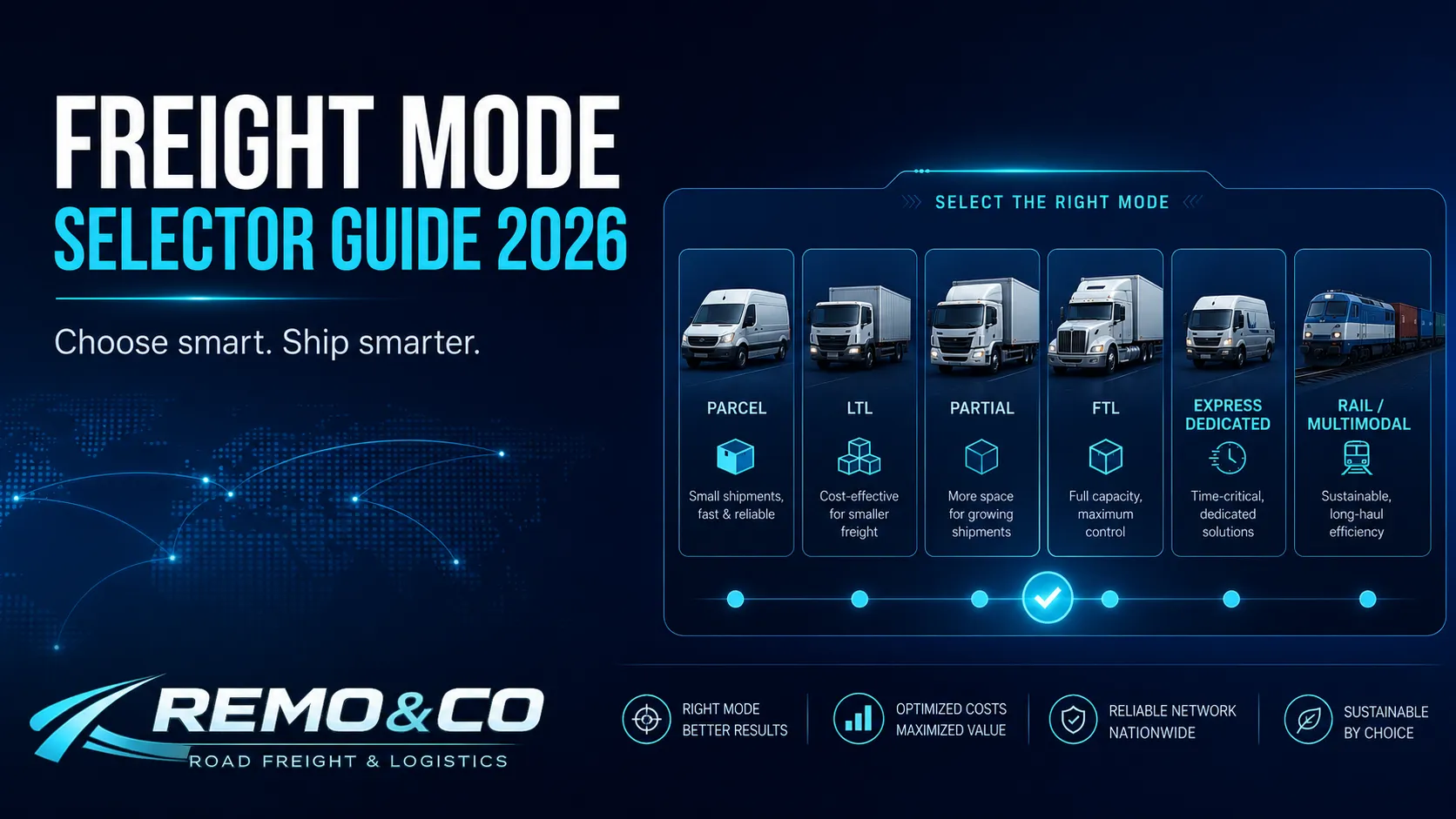
The right freight mode depends on urgency, volume, handling sensitivity, price pressure, door-to-door control and documentation needs. Parcel, LTL, partial, FTL, express and rail each solve different problems.
Primary SEO focus: FTL LTL express delivery. The operational focus is simple: turn a vague delivery request into a clear transport decision with fewer surprises.
Why this matters
Mode selection is where many hidden costs begin. A shipment that is too urgent for parcel networks, too fragile for repeated handling or too small for a full trailer needs a smarter option than the cheapest visible rate.
In European road freight, the best answer is rarely “the cheapest carrier”. The better question is: what must be true for this delivery to succeed? That means checking time, cargo, access, documents, route risk and the level of control required.
Decision framework
| Situation | Best decision | Why it matters |
|---|---|---|
| Small non-urgent parcel | Parcel carrier | Low cost and standardized process |
| 1–8 pallets, flexible timing | LTL or groupage | Shared capacity can reduce cost |
| Half-trailer cargo | Partial load | Better value than paying for a full truck |
| Large or sensitive cargo | FTL | Direct loading and fewer handovers |
| Critical deadline | Dedicated express | Control matters more than consolidation savings |
Operator checklist
This checklist turns the article into an operational brief. Use it before asking for a quote or confirming a delivery slot.
- Cargo volume
- Urgency
- Handling sensitivity
- Budget pressure
- Door-to-door control
- Proof-of-delivery expectations
Mistakes to avoid
- Choosing parcel only because it is cheap
- Paying for FTL when partial would work
- Using groupage for a critical appointment
- Ignoring handling risk when cargo is fragile
How Remo&Co helps
Remo&Co combines own fleet capacity with trusted carrier partnerships, operators, drivers and data-minded workflows. For a shipper, that means the conversation can move beyond “price please” and into a clearer answer: vehicle fit, time feasibility, document readiness and risk.
Free tool: Bad Freight Brief Detector. Use the recommended tool, copy the result into your RFQ and send it to Remo&Co for operator review.
FAQ
What is the first thing to check?
Start with the constraint that cannot move: delivery deadline, cargo readiness, vehicle access, documents or budget. The best transport decision protects that constraint first.
When should I ask for a dedicated vehicle?
Use a dedicated vehicle when the shipment is urgent, palletized, high value, appointment-critical, fragile, or needs fewer handovers and faster POD.
Which free Remo&Co tool should I use?
Use the tool linked in this article. It turns the operational question into structured data that Remo&Co can validate faster.
Sources and further reading
- Bad Freight Brief Detector — practical Remo&Co tool connected to this guide.
Need a transport decision checked by an operator? Send the result to Remo&Co and get a confirmed transport option.

Related Posts
 Mode selection
FTL vs LTL vs Express Delivery: Choose the Right Freight Mode
A practical guide to FTL vs LTL vs Express Delivery: Choose the Right Freight Mode, with decision tables, operator checklists, free Remo&Co tools and source-backed notes where compliance matters.
 Mode selection
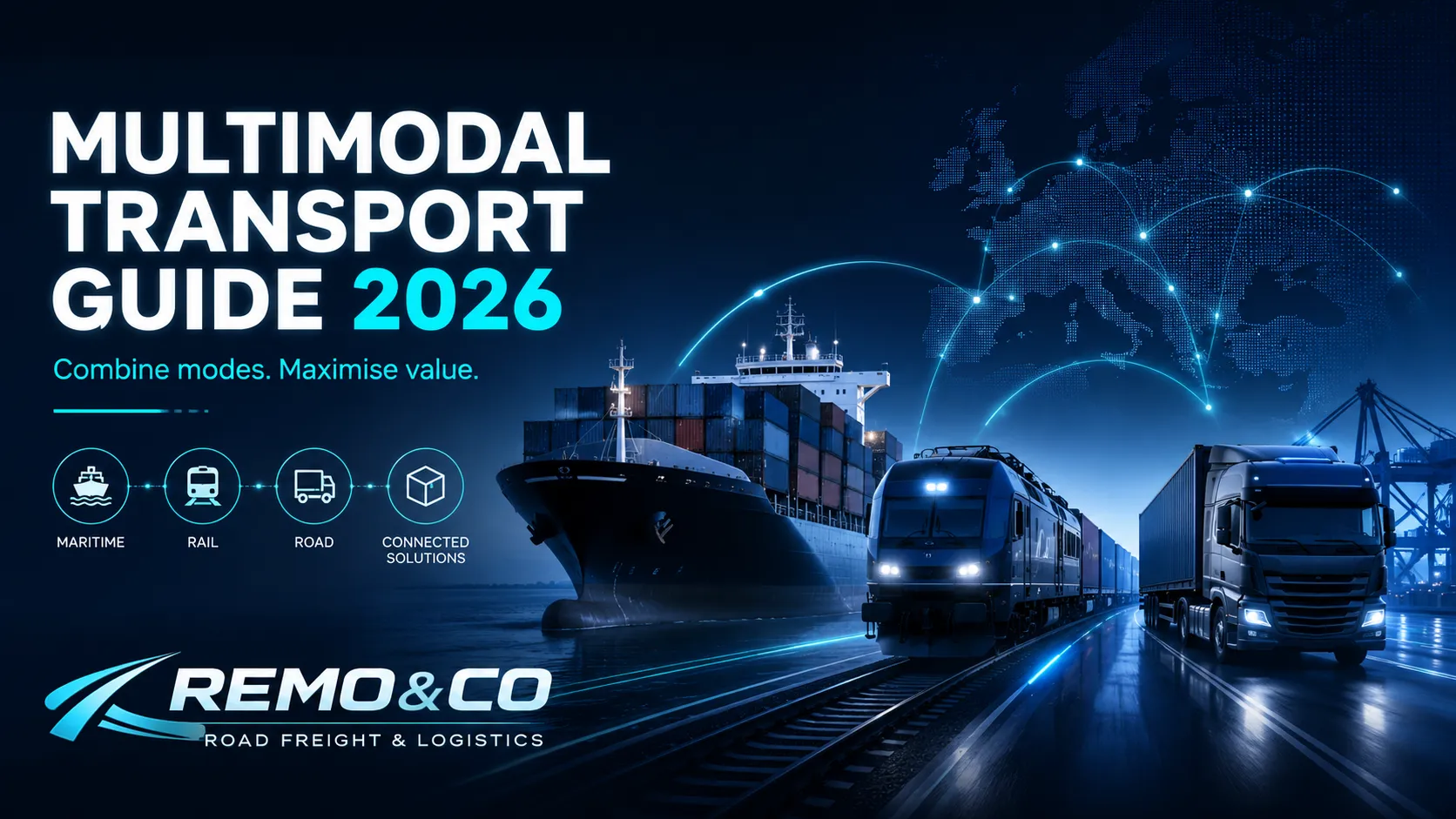
Road Freight vs Rail Freight: Which Is Better for Urgent Goods?
A practical guide to Road Freight vs Rail Freight: Which Is Better for Urgent Goods?, with decision tables, operator checklists, free Remo&Co tools and source-backed notes where compliance matters.
 Express delivery
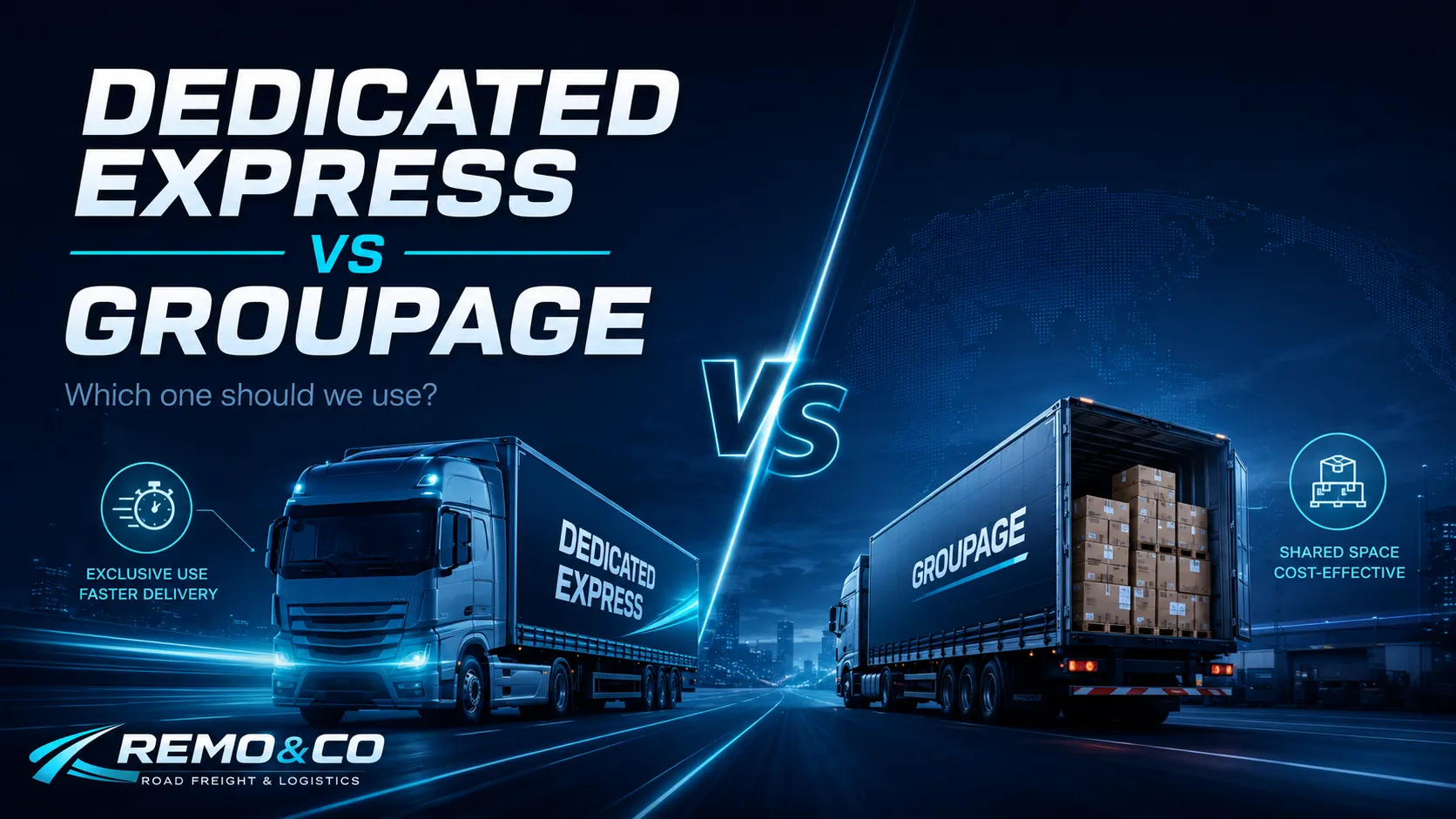
Transporteur Express vs Transporteur Colis: Choose the Right Delivery Option
A practical guide to Transporteur Express vs Transporteur Colis: Choose the Right Delivery Option, with decision tables, operator checklists, free Remo&Co tools and source-backed notes where compliance matters.